Be a Delorean…not
It all begins with an idea.
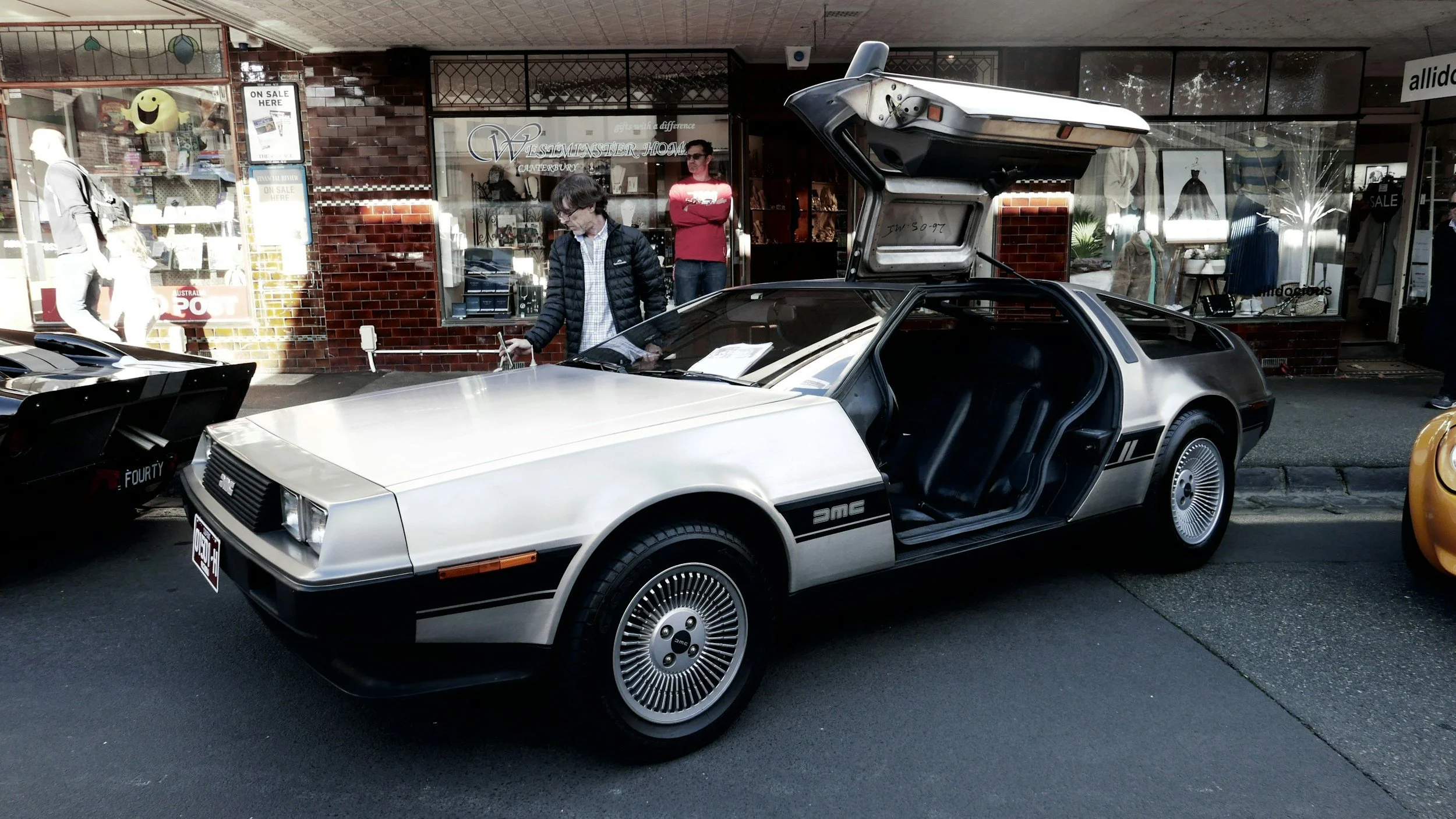
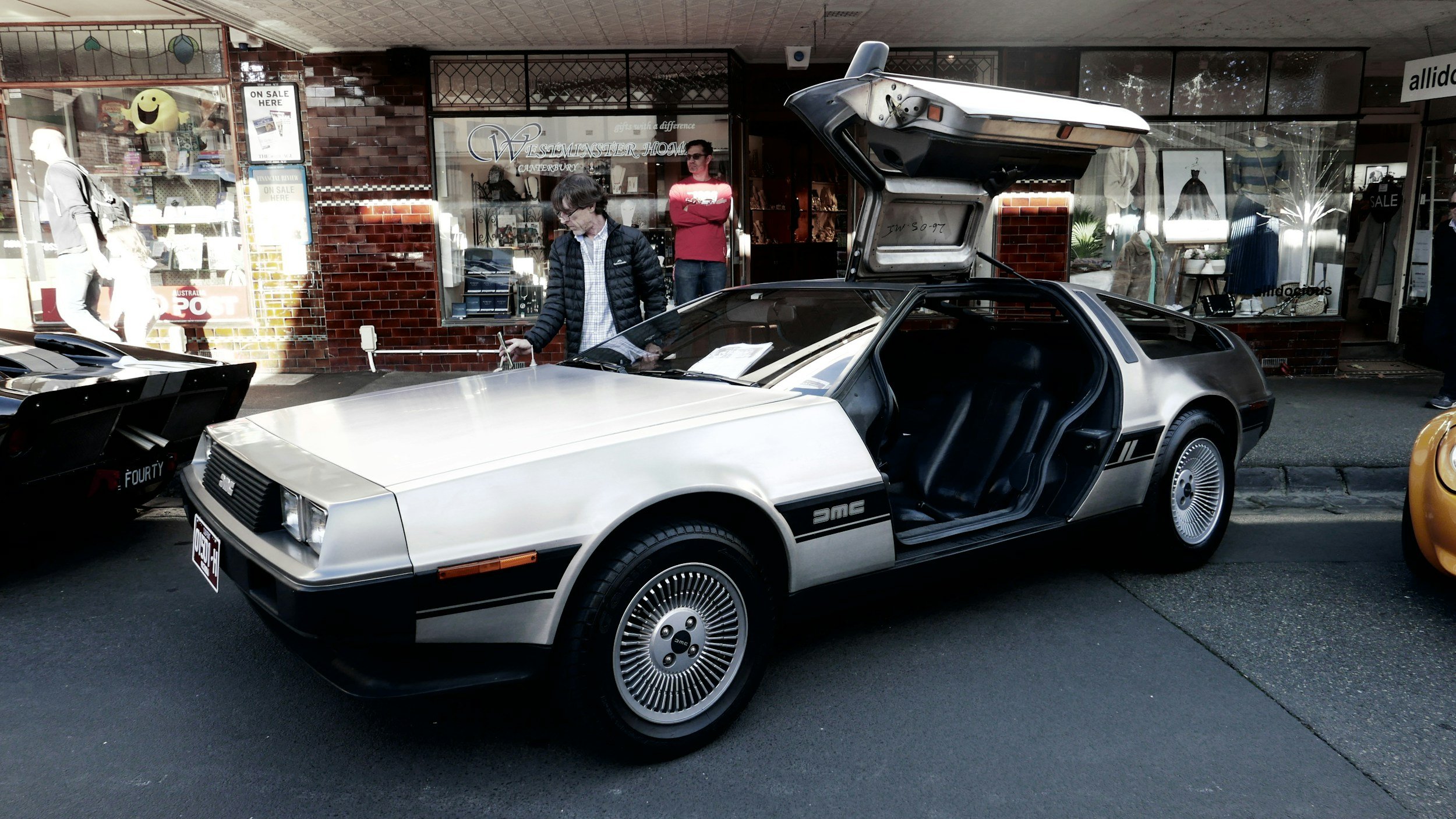
In 1981-82, John DeLorean thought of something unique: a sports car featuring gull-wing doors. The car gained popularity for its use in the movie Back to the Future. The company failed after a short time. Mechanical failures, cost overruns, and lack of power led to the company’s demise.
John DeLorean took a chance on something original, and it failed.
We can say the same thing about fundraising writing.
There are proven methods that work. Short paragraphs, no longer than 3 sentences. Donor-centric language that features the donor as the hero. Times New Roman, at least 12 point font. This means that the best fundraising letters kind of all look the same.
That’s a good thing.
Listen to experts like Jeff Brooks. Do what they tell you to do. You’re not writing poetry, but please show, don’t tell. You’re breaking the rules you learned in English class. You’ll fall in love with white space and sentence fragments.
But don’t go crazy. Stick to the tried and true. The Toyotas and Chevys. Don’t be a DeLorean.
And you’ll raise a lot and travel far.

How to succeed at your job
It all begins with an idea.
On my website, you’ve already seen my work ethic. I try to follow four rules with any project. I came up with this one day years ago early in my career. And though I haven’t always met my own standards, these rules keep me grounded and accountable to my own work. Let me unpack these ideas for a moment.
QUALITY: What I mean by this term is , have you done the project in a way that it looks good? Have you paid attention to how the words look on the designed page? Have you brought forth your best ideas, used the best photography and design to get your ideas across? Everything you create, whether its’s a newsletter, video, or social post, should reflect the quality of your organization’s brand.
ACCURACY: Is everything you wrote true? Have you taken the time to fact check what you said? Are your metrics accurate? Are you using the most up-to-date verifiable source? For one organization, I only used the metrics in the addendum to our last annual report. Another organization went eyeball deep in metrics of every sort, and it was impossible to keep track of the latest numbers, which had to be obtained separately for every piece, taking away valuable production time. Have one source and use it for all your pieces.
CONSISTENCY: This rule is about following your organization’s brand. Do you capitalize titles used after a name or not? Do you use APA style? Are your design elements in brand? Do you use p.m. or PM to designate times? If you use contractors, are they aware of these rules and stick to them, every time? Check every piece you create and make sure that, whatever your organization’s styles are, they are followed every time.
EFFICIENCY: This point is about time management. Have you found ways to be as efficient as possible in how you get your work done? If you need a quote from your leadership, can you sit in on a session and record what the person said to be used later? Can you use a quote from a newsletter in a social media piece (best to use the same story or quote three ways if possible)? Coming up with ideas to make your work more efficient will help you work smarter, not harder, reduce stress, and help you stay on deadline.
If you follow QACE, as least when you remember it, you’ll be able to succeed in your nonprofit career. And hey, maybe you’ll start to enjoy it.

Lessons from Brian
It all begins with an idea.

Brian resided at the homeless shelter where I worked. He grew up in Detroit, ended up ramshackled to the streets as a crack cocaine addict for years and spent time in jail. He lived in housing not habitable for humans. He ODed and died twice. The second time the paramedics saved him with multiple doses of Narcan.
Brian got a second chance. And he took it.
Following in the footsteps of an uncle 20 years before, Brian embraced the recovery program at the homeless shelter. He mopped floors in the chapel. Worked his program. To all of us, he exemplified what our programs aimed to do. So we used his story in fundraising materials and even shot a video for our fundraising gala. Within weeks of our gala, he got married to a high school sweetheart. Life looked up.
Then Brian crashed.
He started drinking again. His body couldn’t handle the high levels of alcohol anymore.
He ODed for the last time.
In a place like this homeless shelter, we had too many stories of lives transformed that we could use for fundraising. Brian’s story was exceptional. Until it wasn’t.
So what did I learn from Brian? Here’s 3 important lessons:
Use the story. Brian’s tale of transformation was still true, at least for awhile. So when we did a video, and a newsletter story, and who knows what else, it was legitimate to use and it impacted people. So it’s a good thing. If a client at your nonprofit slips backward, goes back to the streets, if the dog you featured at the animal shelter bit someone, if the art gallery where you worked lost a funder you relied on, use the story anyway.
Look for the best representative for your mission. This contradicts #1, but it’s still true. In addiction recovery, find the person who has been sober for a long period of time. Someone who really proved themselves as being regenerated thanks to the services you provided. Find the best story. Use that.
Any story will do. Fortunately, any story will do. In fundraising writing, you can do a lot with a little. Some nonprofits even use unfinished stories and invite the donors to finish it with their gift.

Blog Post Title Four
It all begins with an idea.
It all begins with an idea. Maybe you want to launch a business. Maybe you want to turn a hobby into something more. Or maybe you have a creative project to share with the world. Whatever it is, the way you tell your story online can make all the difference.
Don’t worry about sounding professional. Sound like you. There are over 1.5 billion websites out there, but your story is what’s going to separate this one from the rest. If you read the words back and don’t hear your own voice in your head, that’s a good sign you still have more work to do.
Be clear, be confident and don’t overthink it. The beauty of your story is that it’s going to continue to evolve and your site can evolve with it. Your goal should be to make it feel right for right now. Later will take care of itself. It always does.